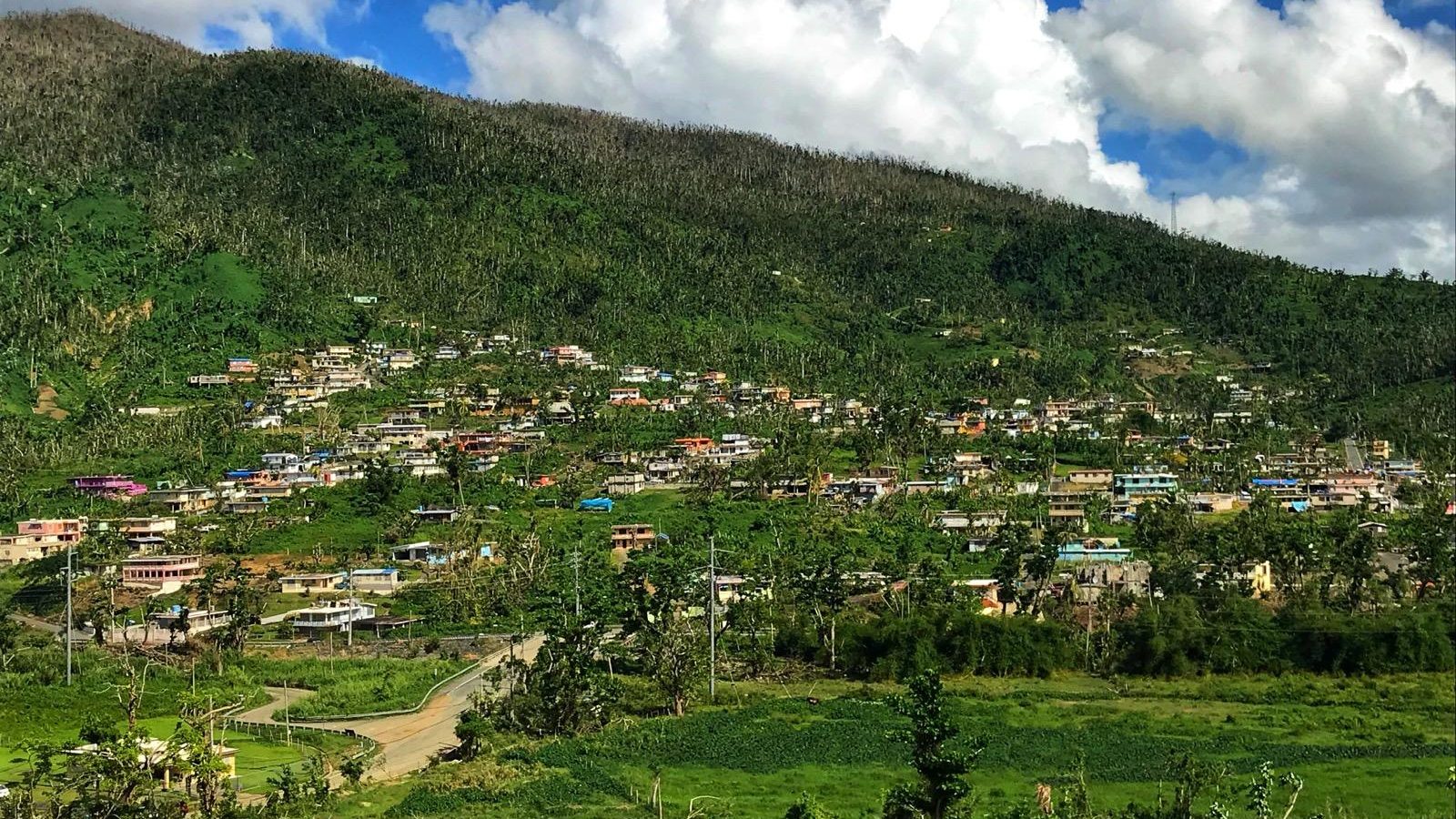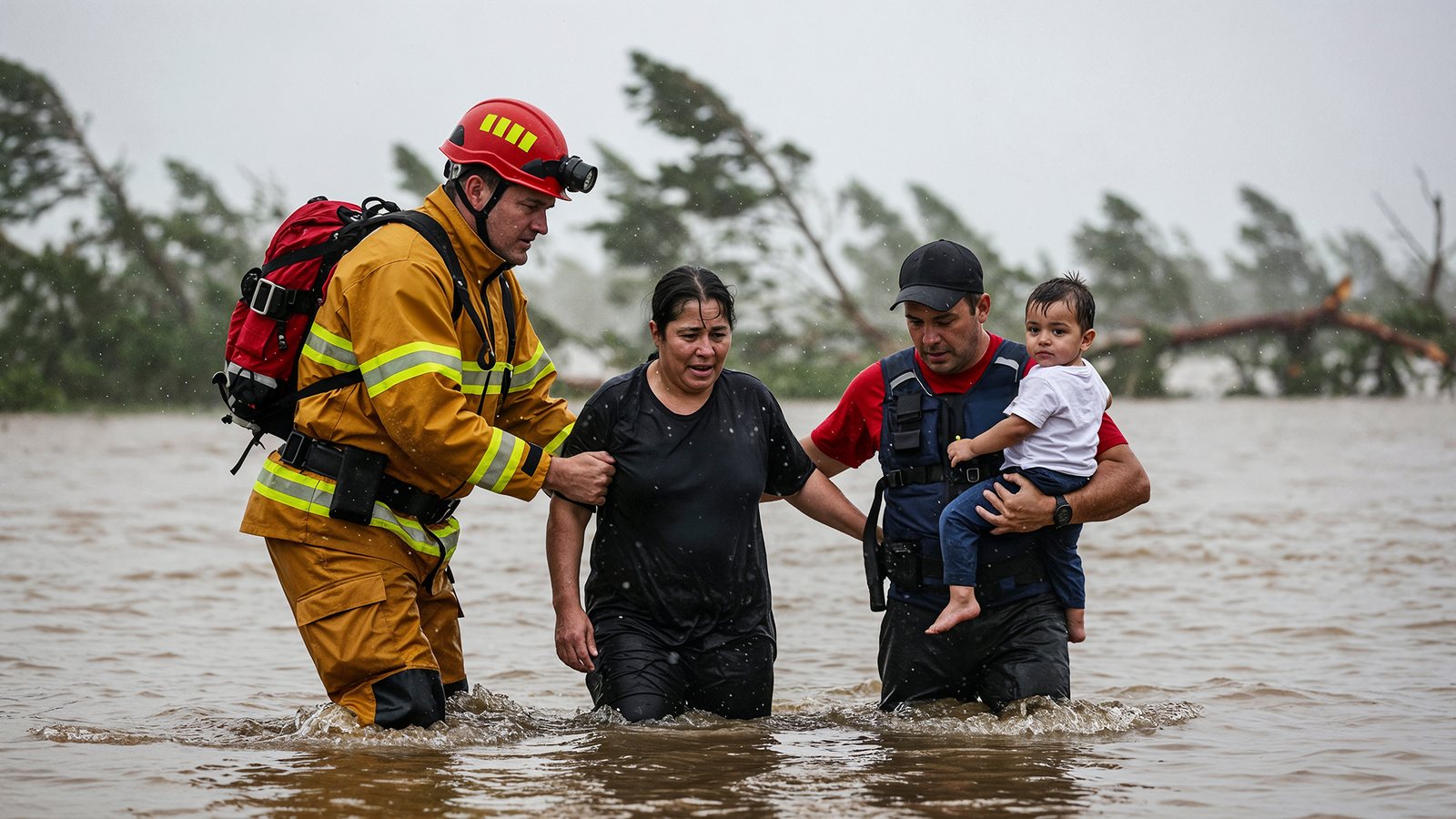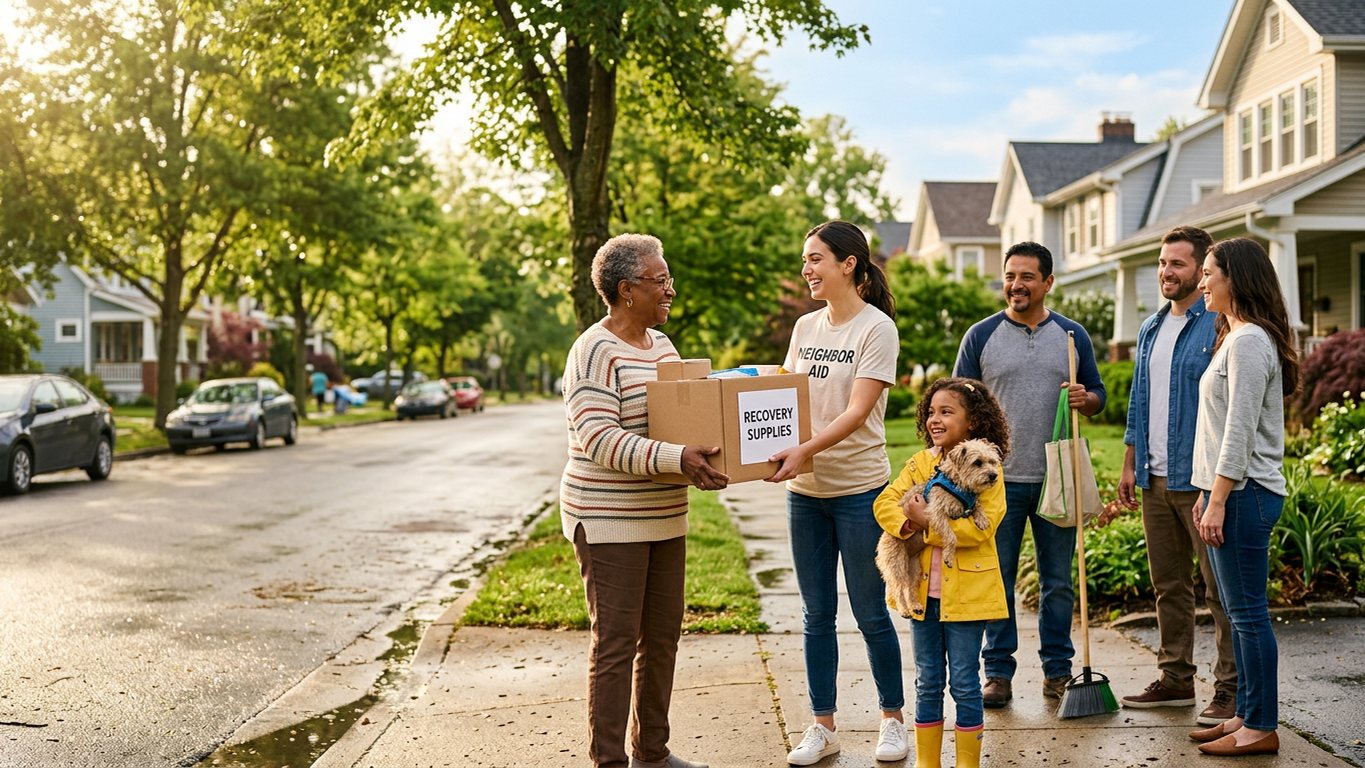
Disasters do not check party registration. Fire, flood, and stormwater do not ask how you voted before they take your roof. But what happens after the disaster — how fast help arrives, how much of it there is, and whether your community rebuilds stronger or just rebuilds the same risk — is decided, in large part, by people chosen in midterm elections.
That is not a slogan. It is the machinery of American disaster recovery, and it runs through offices most voters skip on the ballot.
What the midterms actually control
A midterm does not choose a president — the one who signs disaster declarations. But almost everything around that signature is shaped by midterm winners:
- Congress controls the money. FEMA's Disaster Relief Fund, mitigation grants, and housing recovery are funded by appropriations. The majorities chosen in a midterm decide whether that fund is replenished before fire and hurricane season or fought over after it.
- Governors make the ask. A governor requests the declaration, sets the state's cost-share posture, and runs the state emergency agency. In a disaster, the governor's office is the front door.
- State legislatures write the rules that decide your claim. Building codes, insurance regulation, utility wildfire-mitigation requirements, and state matching funds are all state law.
- Local offices decide the rebuild. Mayors, county commissions, and sheriffs run evacuation, sheltering, debris removal, and permitting. Recovery is local long before it is federal.
Vote for those offices, and you are voting on the speed of your own recovery. Skip them, and someone else votes on it for you.
California: the price of prevention is set in Sacramento
No state illustrates the point better than California. After years of catastrophic wildfires, the state's recovery bill is measured in tens of billions, and its insurance market has buckled under the cost. The decisions that matter most there are not made in Washington: they are made in Sacramento and at the California Public Utilities Commission — utility hardening and vegetation management, defensible-space rules, and whether insurers can price risk accurately enough to stay in the market.
A legislature that funds fuel reduction and home hardening means fewer ignitions and more insurable homes. One that does not means the same fires with a thinner safety net.
Hawaii: one fire, and a system that had to be rebuilt with it
The 2023 Maui fires killed more than 100 people and destroyed much of Lahaina. What followed exposed gaps no federal program could fill on its own: emergency alert systems, water-system decisions, and land-use rules about what gets rebuilt, where, and for whom.
Hawaii's recovery has been shaped by state and county choices — housing policy, permitting speed, and protections against displacement — all sitting with legislators, county councils, and a governor who answer to midterm and local voters. A community that votes on recovery policy gets one. A community that does not gets whatever the market and bureaucracy produce on their own.
Seattle and the Pacific Northwest: the disaster you do not see coming
Seattle's risk is quieter than a hurricane, which makes it more dangerous politically. Western Washington faces earthquake risk from the Cascadia Subduction Zone, river flooding, and wildfire smoke that now shuts down summer weeks at a time. None of these produce the dramatic television footage that forces emergency appropriations.
That is exactly why the ballot matters there: seismic retrofits, floodplain rules, and smoke-ready public buildings are funded — or not — by state and local budgets chosen in unglamorous elections.
Colorado: rebuilding the same risk, or not
The Marshall Fire of 2021 destroyed more than 1,000 homes in Boulder County in a single December day, driven by wind across drought-dried grassland. What happened next is the textbook midterm case: local and state decisions about building codes, fire-resistant materials, and rebuilding locations determined whether the same neighborhoods would burn the same way again.
Colorado voters also decide, through their legislature, how the state matches federal mitigation dollars — the money that hardens homes before the next fire rather than paying for funerals and temporary housing after it.
Illinois: floods, tornadoes, and the unglamorous budget
Illinois does not top the disaster news cycle, but its counties absorb repeated river flooding and tornado outbreaks, and its recovery depends heavily on state matching funds and on local floodplain management. When a state legislature underfunds its emergency management agency or delays flood-mitigation projects, the cost arrives later as uninsured losses and longer federal processing times.
The ballot question in Illinois is rarely framed as disaster policy — it is framed as budgets and regulation. Those are disaster policy, whether the campaign ads say so or not.
New York and New Jersey: the storm that changed the map
Hurricane Sandy in 2012 redrew the politics of the New York–New Jersey coast. Since then, both states have wrestled with the same set of voter decisions: building codes for coastal construction, flood insurance affordability, buyout programs for repeatedly flooded properties, and billions in infrastructure hardening for transit, hospitals, and power.
Those are not decisions a president makes alone. They are made by governors, state legislatures, and members of Congress who fight for the appropriations that fund them — and voters decided, election after election, whether resilience was a priority or a talking point.
Florida: where the ballot meets the storm surge
Florida is the state where midterm choices show up fastest, because the next storm is never far off. Isaias is the current example: an emergency declaration, a state request, a major declaration, and a household program approved in stages — each step run through offices voters chose.
But Florida's longer story is the one to watch. After Hurricane Andrew in 1992, the state rewrote its building code, and homes built to it have survived storms that flattened older ones. After the Surfside condo collapse in 2021, the legislature rewrote condo safety and reserve rules. And after years of insurer withdrawals, Tallahassee has repeatedly rewritten insurance litigation and reinsurance rules that decide whether a homeowner can even buy coverage, let alone collect on it.
Add My Safe Florida Home grants for hardening, and the pattern is plain: in Florida, the legislature and the governor do not just respond to disasters. They decide, year after year, how much the next one will cost — and who pays.
Anywhere else: the pattern holds
The same machinery runs in every affected area. In Texas, it is grid resilience and floodplain development. In Puerto Rico and the U.S. Virgin Islands, where residents cannot vote for president, recovery funding still runs through congressional appropriations — which is why turnout in every available race matters even more.
Wherever you live, ask three questions about the people on your ballot:
- Will they fund mitigation before the disaster, or only relief after it? Mitigation is cheaper and saves lives; relief is more visible. The honest answer tells you their priority.
- Will they protect the programs that pay households directly? Individual Assistance, housing vouchers, and small-business recovery loans live or die in appropriations and state budgets.
- Will they make the system faster and fairer? Recovery navigators, simplified applications, and anti-fraud enforcement that does not punish legitimate applicants are policy choices, not accidents.
The bottom line
Your vote in the midterms will not stop the next disaster. Nothing on any ballot can do that. But it will decide who writes the building code your next home is built to, who funds the mitigation that might save it, who runs the agency that answers your application, and how long you wait for help when the cameras leave.
Disasters are not partisan. Recovery is political, because recovery is funded, staffed, and regulated by people voters choose. Vote like your recovery depends on it — because it does.
Where to find help
If you or your community need help with disaster relief, recovery, or preparedness, you can find solutions at R3sults.com and R3sults.org. Reach him at hv.tremble@r3sults.com or by phone: Business +1 954-231-1750, Mobile +1 347-874-6296.
Available for consultations, operational support, crisis problem-solving, public speaking, and podcast appearances. Serving all tiers of government, commercial enterprises, and residential communities in disaster relief management and preparedness. From local community planning to large-scale federal response: no job is too big or too small.
Herbert V. Tremble is the founding principal of R3SULTS, a disaster management technology ecosystem, and has worked as a consultant, contractor, and subcontractor on disaster response and recovery for more than three decades, through Iron Butterfly Group LLC and Iron Butterfly Consultants LLC.