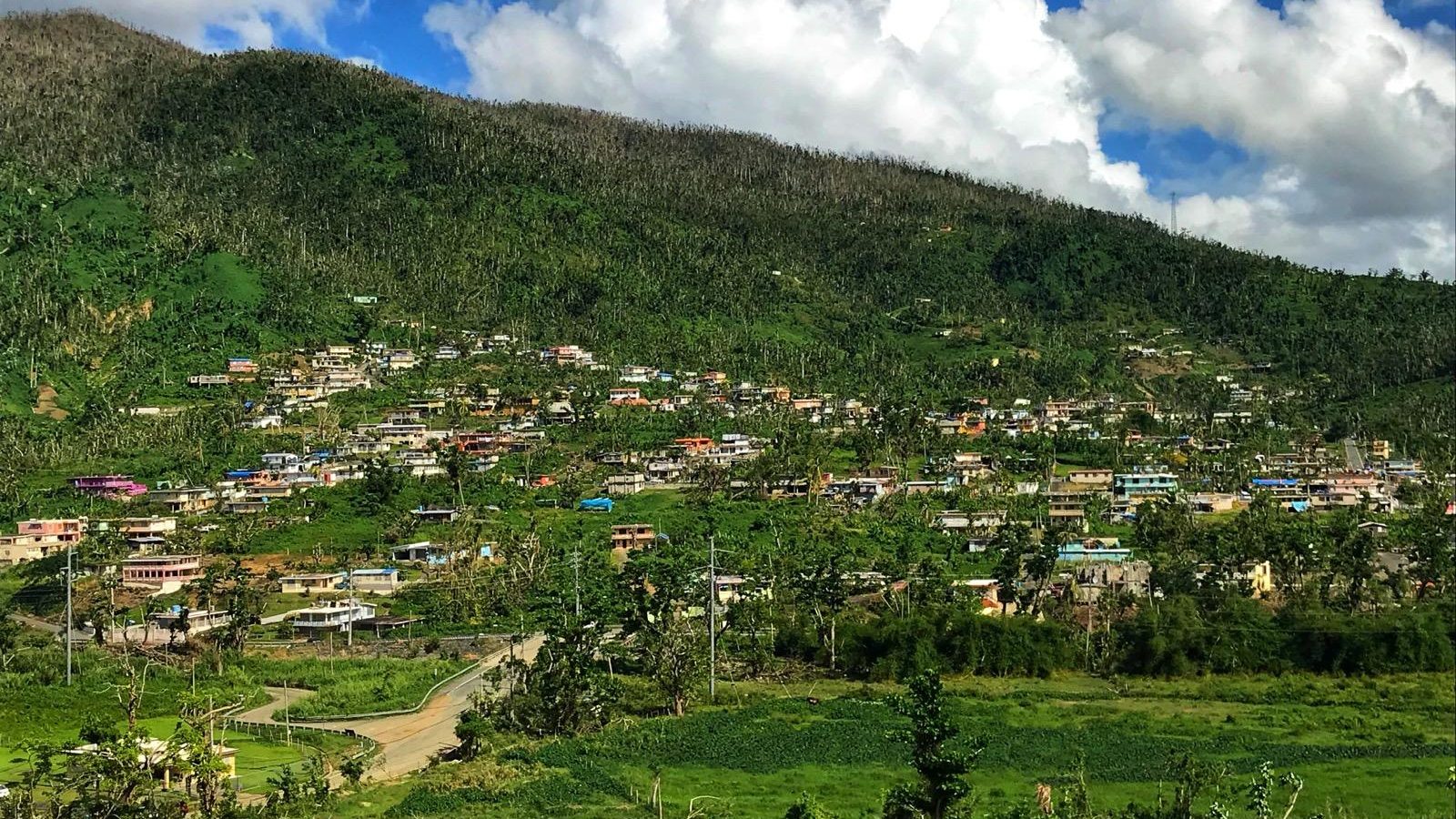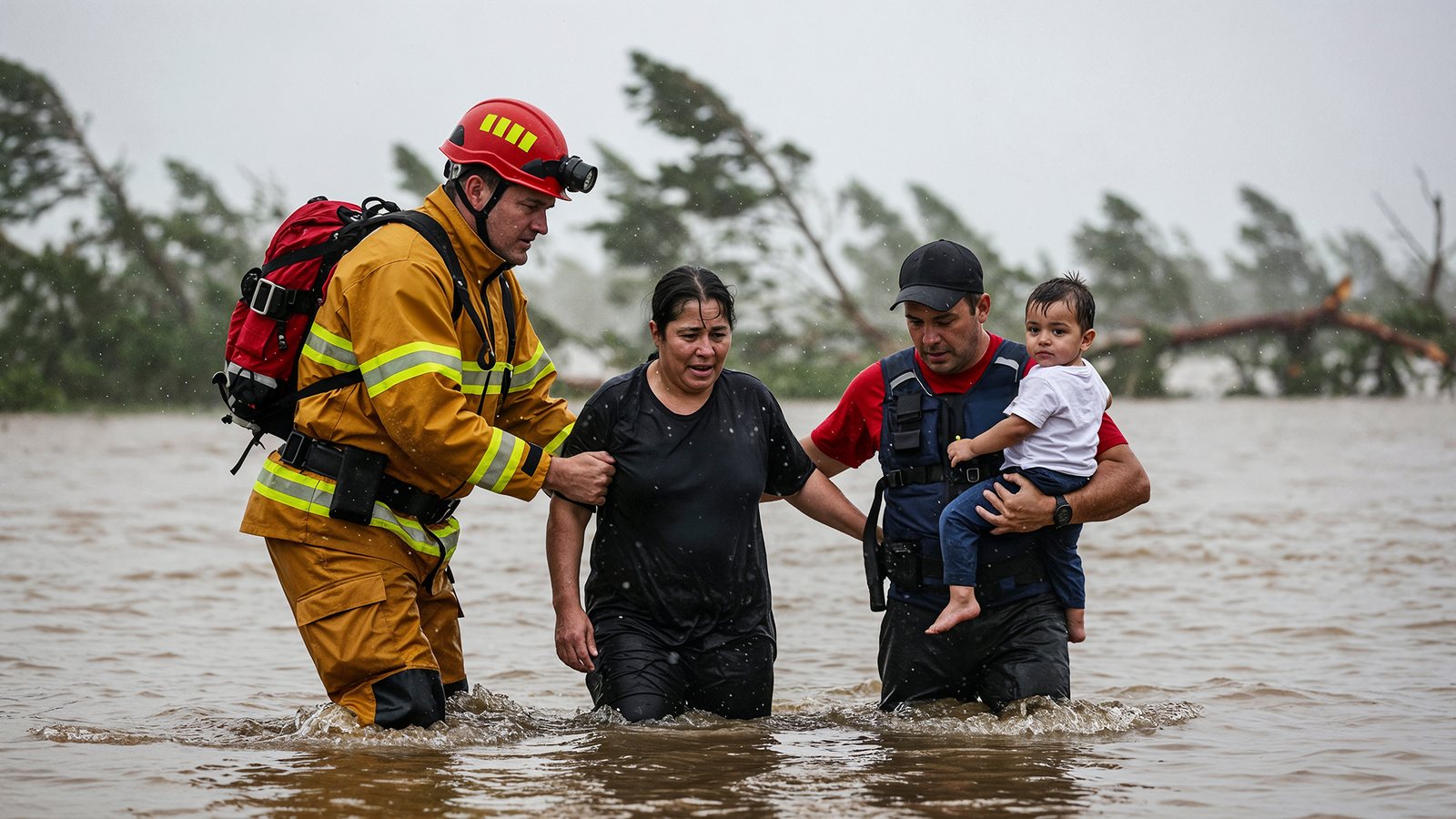
After a hurricane, the first fight is with the storm. The second fight is over a single question: was this damage caused by wind, or by water?
That question sounds technical. It is not. It decides who pays, how much, and how fast — and while two insurers argue over the answer, the roof stays open, the rain keeps coming in, and the damage gets worse every day the argument lasts.
One storm, two policies
A Florida home hit by a hurricane is usually covered by two completely separate contracts:
- A homeowners policy, which covers wind: shingles torn off, a tree through the roof, a window blown in — and, critically, rain that enters through an opening the wind created.
- A flood policy, through the National Flood Insurance Program (NFIP) or a private flood carrier, which is the only policy that covers rising water: storm surge, an overflowing river, or rainwater pooling at ground level and coming in under the doors.
Standard homeowners policies exclude flood — even when hurricane winds and rain caused the flooding. Florida law requires that warning to be printed in bold on the declarations page of a homeowners policy that does not include flood coverage. Most homeowners read that sentence for the first time after the storm, standing in a wet living room.
Each policy has its own adjuster, its own deductible — a percentage-based hurricane deductible on the wind side, a separate deductible on the flood side — and its own deadlines. Miss one deadline and you can lose that half of the claim even if the other half is on track.
Where the fight starts
When a home has only wind damage, or only flood damage, the system works the way it was designed. The fight starts in the middle, where most hurricane homes actually sit:
- The wind tears off part of the roof. Rain soaks the ceilings and walls below. That is wind-driven rain through a wind-made opening — the homeowners side. But if the same house also took water at ground level, the homeowners adjuster may try to attribute everything below — and sometimes above — the water line to flood.
- Storm surge or rising water floods the first floor. That is flood. But the flood carrier does not cover the roof, and may argue the interior damage above the water line was wind and rain — which its policy excludes.
- Many policies carry anti-concurrent causation language: when a covered peril (wind) and an excluded peril (flood) combine to cause the same damage, the exclusion can control. When causation is murky, the homeowner's position is weakest — and after a hurricane, causation is almost always murky.
So each insurer can, in good faith or otherwise, point at the other. The homeowner is left in the gap between two policies that were both paid for, in full, on time.
What this looks like on the ground
Hurricane Isaias came ashore near Destin on October 9 as a Category 2. Within the first week, Citizens — the state's insurer of last resort — was reporting roughly 860 claims against about 8,800 policies in the Panhandle, and public adjusters were already active on the ground. An Insurance Assistance Hub opened in Destin so residents could sit down with someone and ask, in person, what their policy actually covered.
Eight hundred sixty claims is the beginning, not the total. Every one of those files contains the same sorting exercise: which damage is wind, which is water, and who writes the check for each line. The homeowners who fare best in that process are the ones who documented early — photographs before cleanup, the roof opening shown before it was tarped, a water line marked before it was washed away.
Then, on November 2, the Treasure Coast got the other half of the lesson: a flood with no name and no hurricane at all. A stalled low and king tides put 6 to 10 inches of water into parts of Port St. Lucie and 6 to 9 inches into Sebastian, with local emergencies across Martin, St. Lucie, and Indian River counties. There was no wind event to argue about. For any homeowner there without a flood policy, there was also, in most cases, no claim to file — a homeowners policy does not become a flood policy because the water arrived without a storm name.
How to keep the fight from costing you the house
None of this requires a lawyer on day one. It requires sequence:
- File both claims. If there is any chance both perils touched the house, open a claim under the homeowners policy and under the flood policy. Let each carrier investigate under its own contract; do not let one adjuster's opinion close the other's file.
- Document before you mitigate — then mitigate. Photograph and video everything, including roof openings and water lines, before cleanup. Then tarp the roof and stop the water. Policies require you to prevent further damage; an open roof left for the next rain turns a covered loss into a disputed one.
- Watch the two clocks. In Florida, notice of a new or reopened hurricane claim is due within one year of the date of loss, and a supplemental claim within 18 months. On the NFIP side, a signed proof of loss is generally due within 60 days of the flood unless FEMA extends it. The flood clock is the short one, and it does not pause while the wind claim is being argued.
- Get your own documentation of cause. Your own photos, a contractor's written findings, or a licensed public adjuster's assessment give you something other than the two carriers' competing versions. When the only causation evidence in the file is the insurers', the file tends to resolve in the insurers' favor.
- Use the in-person help when it is offered. Assistance hubs, multi-agency resource centers, and your county's recovery pages exist because this sorting process is genuinely hard to do alone, on a phone, from a house with no power.
The larger point
Wind versus flood is not a paperwork quirk. It is the place where the insurance system — two policies, two adjusters, two sets of federal and state rules — meets a house that was damaged by one storm, all at once. Families experience a hurricane as a single event. The claim system insists it was two. Until that gap closes, the most important recovery skill a coastal homeowner can have is not a stronger roof. It is a well-documented file, filed on both sides, on time.
The next storm will not wait for the argument to finish. Neither should the recovery.
Where to find help
If you or your community need help with disaster relief, recovery, or preparedness, you can find solutions at R3sults.com and R3sults.org. Reach him at hv.tremble@r3sults.com or by phone: Business +1 954-231-1750, Mobile +1 347-874-6296.
Available for consultations, operational support, crisis problem-solving, public speaking, and podcast appearances. Serving all tiers of government, commercial enterprises, and residential communities in disaster relief management and preparedness. From local community planning to large-scale federal response: no job is too big or too small.