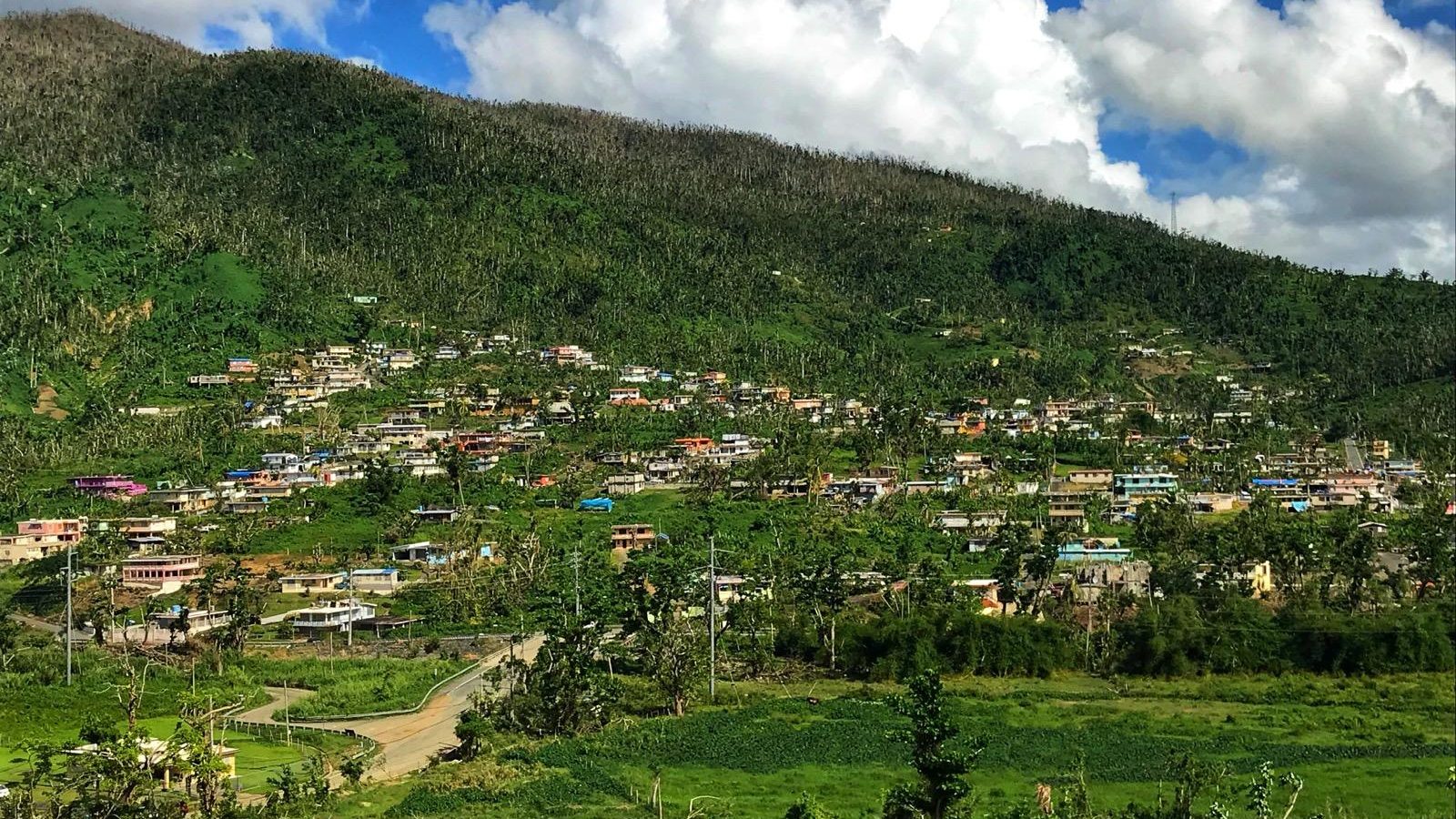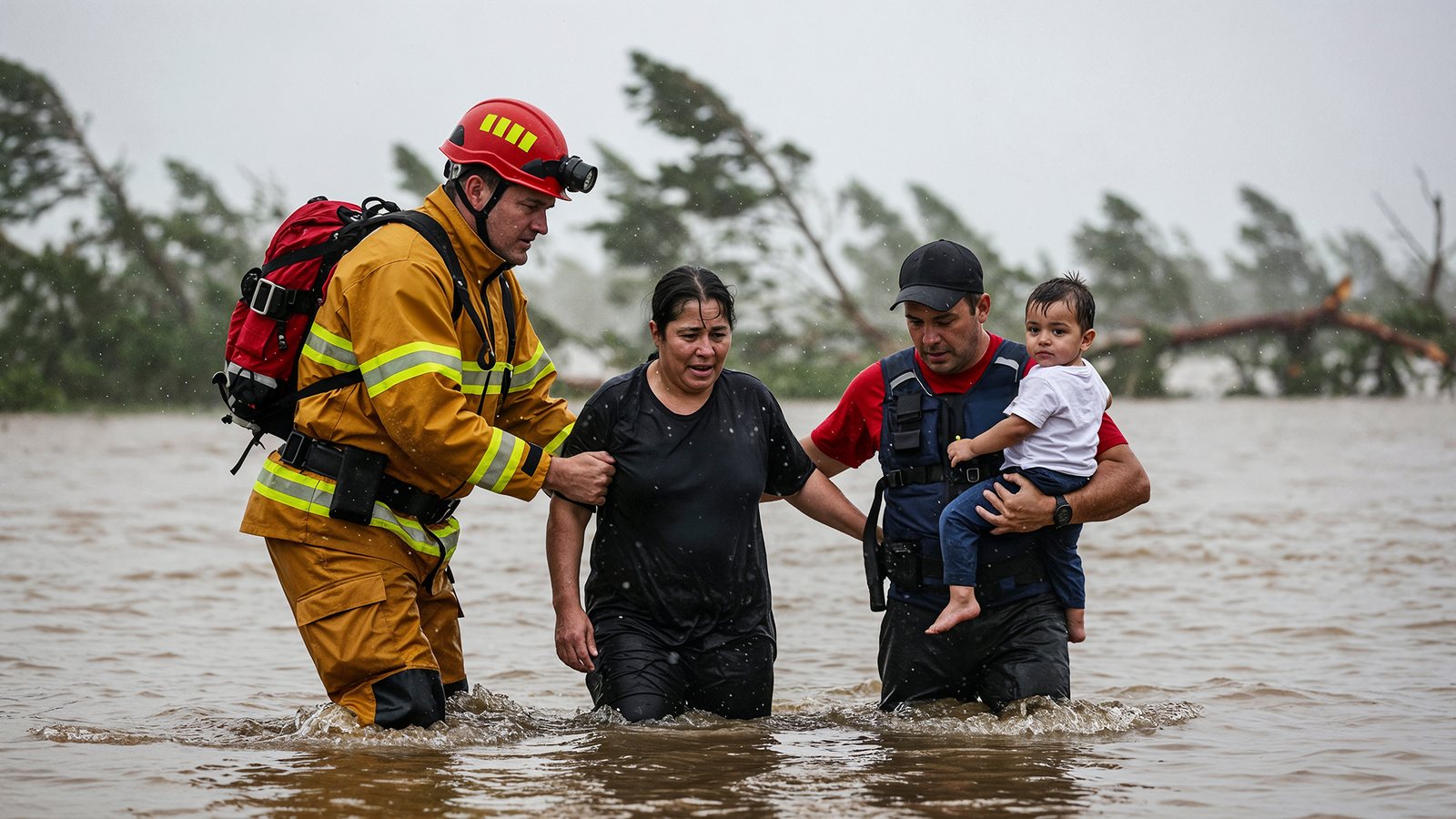
On October 29, the Florida Division of Emergency Management announced that Individual Assistance had been approved for eight Panhandle counties hit by Hurricane Isaias: Bay, Escambia, Gulf, Holmes, Okaloosa, Santa Rosa, Walton, and Washington. For families who had waited twenty days since landfall near Destin on October 9, that announcement should have been the moment help became real.
Instead, it became a lesson in a quieter failure of disaster recovery: the gap between approval and application.
The Pensacola News Journal's October 29 reporting carried both halves of the story at once. Individual Assistance was approved — and residents could "apply soon" at DisasterAssistance.gov, because the link was not yet active. Other outlets, reporting the same announcement, described registration as open. Two days later, on October 31, sources still conflicted on whether the online application was actually live. That is not a footnote. For a family living under a tarp, the difference between "approved" and "you can apply" is the whole story.
The gap has a timeline, and the timeline is the problem
Isaias made landfall as a Category 2 storm on October 9. The same day, a presidential emergency declaration, EM-3655-FL, covered 27 Florida counties at a 75 percent federal cost share — for emergency protective measures. It opened nothing for households and nothing in reimbursements for local governments. That is what an emergency declaration does, and most residents had no way of knowing that from the headlines.
On October 16, Governor DeSantis formally requested a major disaster declaration: Public Assistance for 15 counties, Individual Assistance for 8. On October 27, the president signed FEMA-4955-DR, approving Public Assistance for those 15 counties. The household track stayed "under review." On October 29, it was approved for the 8 counties. And then, for at least some residents trying the online portal, nothing happened when they clicked.
Eighteen days for a partial declaration. Twenty days for household aid to be approved. And then a portal that lagged its own announcement. At every step, the system moved at the speed of paperwork while roofs kept leaking.
Why the gap keeps happening
The gap is not one person's mistake, and that is exactly why it recurs. A declaration is a legal instrument, not a website launch. The announcement, the designation paperwork, the portal configuration, and the county-by-county eligibility tables are handled by different hands on different clocks, and no single one of them is responsible for the resident's experience of clicking a link that does not work yet.
The second reason is less forgivable: nobody owns the message in between. When approval is announced before the application is live, the public hears "help is here." When the portal lags, the public hears nothing — no status page, no estimated time, no plain-language explanation of which channel works right now. Silence in that window does not read as bureaucracy. It reads as a broken promise, and broken promises are what turn a difficult recovery into a distrustful one.
The third reason is that the gap is invisible to the people who measure success. A declaration approval is a countable event. A press release is a countable event. A family that tries a dead link, assumes it was rejected, and stops trying is not counted anywhere.
What families should do while they wait
First, do not wait passively, and do not pay anyone to wait for you. File your insurance claim first, and keep every estimate, denial, and adjuster letter close — FEMA will ask for your insurance settlement or denial, and the claim that is documented first is the claim that survives scrutiny. Photograph damage before repairs, save receipts, and keep a dated log of every call.
Second, use every channel, not just the website. As of October 31, the safe application routes for the eight approved counties are DisasterAssistance.gov, the FEMA app, and the FEMA helpline at 1-800-621-3362 — and, where a Disaster Recovery Center is open, in person. If the online link does not open for you, call the helpline rather than assuming you are ineligible. Approval does not guarantee an award, and an application does not guarantee eligibility — but no application guarantees nothing.
Third, beware the helpers who charge for this. No one needs to be paid to file a FEMA application, and anyone charging a fee to "expedite" one is selling something the government gives away. Legitimate help — from county emergency management, from a Disaster Recovery Center, from a public adjuster you hire for your insurance claim — does not begin with a fee for access to a federal form.
The fix is unglamorous, and that is the point
The registration gap could be closed without a new program, a new appropriation, or a new agency. Announce approval and application together, or say plainly that the portal opens on a stated date. Publish a live status line — approved, portal live, helpline open — instead of leaving residents to triangulate from conflicting news reports. And assign one owner, by name, to the resident's journey from announcement to submitted application, the way every competent company assigns an owner to a customer order.
Until that happens, the honest message after every declaration is twofold, and both halves matter: the aid is approved, and the door may not be open yet. Saying only the first half is how trust is lost. Saying both, and telling people exactly what to do in the meantime, is how recovery actually starts.
Where to find help
If you or your community need help with disaster relief, recovery, or preparedness, you can find solutions at R3sults.com and R3sults.org. Reach him at hv.tremble@r3sults.com or by phone: Business +1 954-231-1750, Mobile +1 347-874-6296.
Available for consultations, operational support, crisis problem-solving, public speaking, and podcast appearances. Serving all tiers of government, commercial enterprises, and residential communities in disaster relief management and preparedness. From local community planning to large-scale federal response: no job is too big or too small.